Paderborn research project realises concrete teaching series and materials
Over a period of two years, Paderborn University researchers were commissioned by the Ministry of Culture and Science of the German state of North Rhine-Westphalia (MKW NRW) to investigate how intangible cultural heritage (ICH / German: Immaterielles Kulturerbe, short: IKE) can be taught in schools. This includes, for example, customs, oral forms of expression or performing arts, which are to be specifically discussed and reflected on from various subject perspectives. In cooperation with associations, educational institutions, archives and museums, the experts have developed specific teaching series and materials as well as handouts for teachers and students. The project led by Prof. Dr. Prof. h.c. mult. Eva Maria Seng, former holder of the Chair of Tangible and Intangible Cultural Heritage at Paderborn University, initiated the research project "L:IKE - Lernwerkstatt Immaterielles Kulturerbe", which was funded by MKW NRW with 300,000 euros and has now been successfully completed. In the coming year, the project results will be published in an open access publication so that teachers can download the materials free of charge and use them for their own lessons.
Diverse links between cultural heritage and school subjects
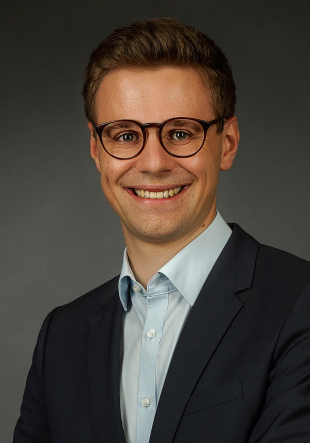
"There are links to intangible cultural heritage in almost all fields of the school curriculum. This makes it all the more important to think about school and cultural heritage together," emphasises Jonas Leineweber, project team member at Paderborn University. The focus is on knowledge and skills that are passed on from generation to generation and create feelings of identity, continuity and community. In addition to the project objective of strengthening intangible cultural heritage and ensuring that it is recognised in society, there are a wide range of development opportunities for practical application in schools. For example, in the seminar "Telling fairy tales as intangible cultural heritage in German lessons", students have developed teaching units in which pupils not only read and analyse fairy tales, but also tell, adapt and develop them. Learners engage creatively with cultural forms of expression and reflect on identity and diversity. This gives them new approaches to language, literature and history. In addition, in the seminar "Poetry slam as intangible cultural heritage in German lessons", students have explored the expression of personal perspectives and cultural experiences as well as the promotion of language awareness and cultural participation. "There are also links to cultural heritage in PE lessons. We looked at modern dance in particular and developed a teaching unit in which students use dance improvisation to gain spatial and dynamic physical experiences, create movements themselves and combine them into a choreography," explains Eric Watermeier, who was initially involved in the project as a student and later as a research assistant. In addition, series of lessons were developed for history lessons using the example of bookbinding, marksmanship and the Rhenish carnival, as well as for music lessons using the example of the Steigerlied.
Bringing cultural heritage to life in Paderborn
The "L:IKE" project illustrates how intangible cultural heritage can not only be understood as preserving tradition, but can also be integrated into educational processes in an innovative and participatory way. Paderborn University has been committed to preserving living traditions for more than a decade. In 2015, the "State Centre for Intangible Cultural Heritage NRW" was also institutionalised there. It supports applications for the inclusion of cultural expressions in the Inventory of Intangible Cultural Heritage of North Rhine-Westphalia and other national and international inventories. Germany acceded to the UNESCO Convention for the Safeguarding of the Intangible Cultural Heritage of 2003 in 2013.
This text was translated automatically.